The real deal about what to eat in China
You’ve seen the photos: glossy duck skin, steaming bamboo baskets, neon-lit street stalls with sizzling woks. But here’s what no travel blog tells you — most “authentic” Chinese food lists are written by people who’ve never ordered mapo tofu without pointing at a photo on their phone. Or worse, they’ve only eaten at the same three tourist restaurants near Tian’anmen Square.
Here’s the truth: what to eat in china isn’t about ticking off dishes like a museum checklist. It’s about knowing *which* version of dan dan mian won’t make your nose run for 45 minutes, where to find vegetarian-friendly xiao long bao that aren’t just cabbage wrapped in dough, and how to say “no MSG, please” in Mandarin using only hand gestures and a WeChat translation screenshot. This isn’t a foodie fantasy list. It’s your field manual — 20 dishes, each with its Chinese name (so you can point), real-taste descriptions (no “umami explosion” nonsense), and one reliable restaurant chain where foreigners consistently get it right — every time.
Quick answers — tap your question:
- 📖 What about the real deal about what to eat in china?
- 👉 What about sichuan spicy — but not suicidal?
- 🗺️ What about cantonese dim sum that doesn’t arrive cold?
- 📋 What about beijing duck — without the awkward carving show?
- 🗺️ What about xi’an noodles you can actually chew?
- 👉 What about yunnan: wild mushrooms and herbal steam?
Sichuan spicy — but not suicidal
Sichuan cuisine gets labeled “fiery” so often that foreigners assume it’s all chili oil and regret. Not true. Real Sichuan cooking balances heat with numbing (má), sweetness, sourness, and fragrance — like a flavor orchestra where chili is just the percussion section.
Here’s what actually waits for you in Chengdu, Chongqing, and even Shanghai’s Sichuan outposts:
- Má Pó Dòu Fu (麻婆豆腐) — Soft tofu cubes in a glossy, brick-red sauce studded with minced pork (or beef) and fermented black beans. Tastes like savory peanut butter meets Sichuan peppercorns — warm, tingly, deeply savory, with a slow-building heat that lingers like a friendly warning. Not “burn your tongue off” spicy — more like “you’ll crave this at 3 a.m.” spicy.
- Dān Dān Miàn (担担面) — Noodles swimming in chili oil, sesame paste, preserved vegetables, and ground pork. Don’t expect broth. Expect rich, nutty, slightly sweet, and aggressively aromatic — like a peanut butter sandwich dipped in chili crisp. The numbing effect hits *after* the first bite.
- Gōng Bǎo Jī Dīng (宫保鸡丁) — Yes, it’s on every American-Chinese menu — but the original is nothing like sweet-and-sour goop. Crisp chicken, roasted peanuts, dried chilies, and Sichuan peppercorns. Sweet-sour-heat-numb in perfect ratio. Think “tangy cashew chicken with attitude.”
Price range per dish: ¥28–¥42 (US$4–$6). Street versions cost ¥12–¥18 but vary wildly in hygiene and spice control.
Cantonese dim sum that doesn’t arrive cold
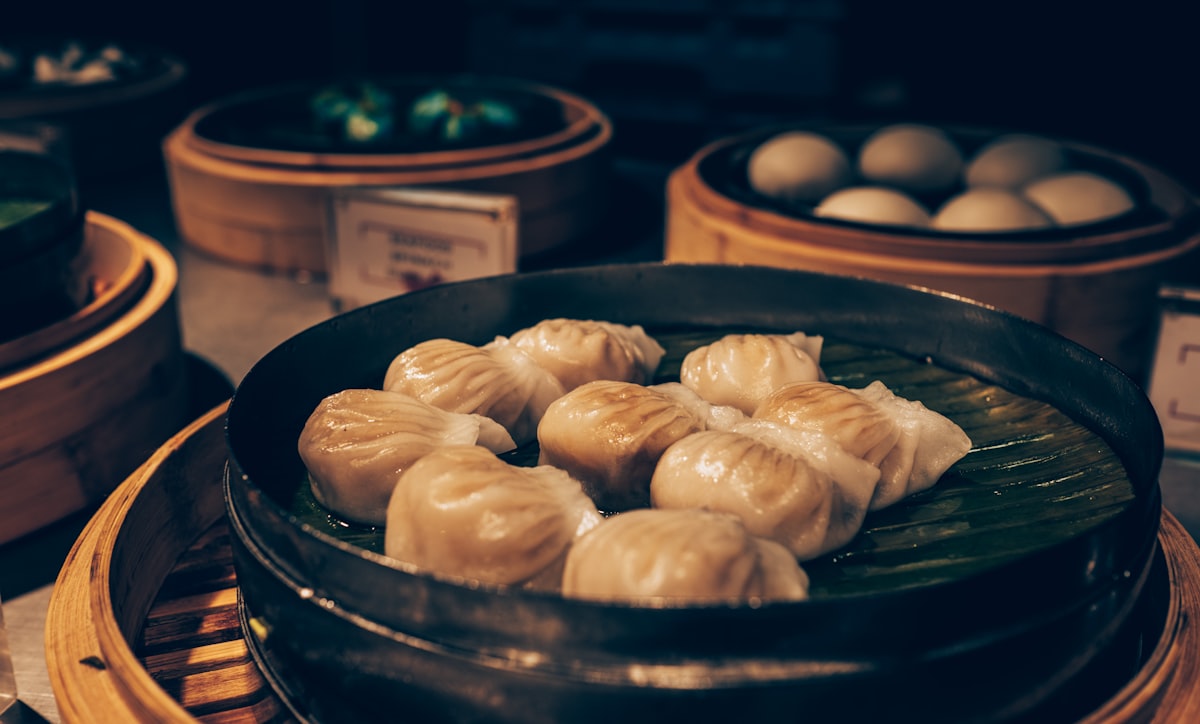
If your idea of dim sum is lukewarm shrimp dumplings under heat lamps in a Vegas casino — reset your expectations. In Guangzhou or Shenzhen, dim sum is a morning ritual served hot, fast, and fresh from steam carts rolling past your table every 90 seconds.
The key: order early (before 11 a.m.), skip the pre-made trays, and point directly at the cart — not the laminated menu. Here’s what to look for:
- Shǎo Mài (烧卖) — Open-topped pork-and-shrimp dumplings crowned with orange roe. Juicy, savory, with a slight chew from the thin wheat wrapper. Tastes like “delicate meatball meets ocean breeze.”
- Hái Jiāo (虾饺) — Translucent crystal dumplings packed with whole, plump shrimp. Minimal seasoning — just salt, white pepper, and a whisper of sesame oil. Pure, sweet, bouncy shrimp flavor. No filler. No mystery meat.
- Fèng Zhǎo (凤爪) — Chicken feet braised in black bean and star anise until gelatinous and fall-off-the-bone tender. Sounds weird. Tastes like rich, savory collagen candy — sticky, fragrant, deeply umami.
Reliable spot: Tim Ho Wan (添好運) — yes, the Michelin-starred “world’s cheapest Michelin restaurant.” Now a chain across China (Shanghai, Beijing, Shenzhen, Chengdu). Their shǎo mài is steamed to order, hǎi jiāo arrives piping hot, and servers speak basic English. Dim sum sets start at ¥68 (US$9.50) for 4 pieces — cheaper than most hotel buffets.
Beijing duck — without the awkward carving show
Peking duck isn’t just a dish — it’s performance art. And if you’re sitting at Quanjude watching a chef slice skin off a duck while 12 tourists film TikTok videos, you’re missing the point. Authentic duck is about texture contrast: crisp skin, tender meat, scallions, cucumber, and sweet bean sauce — all wrapped in a thin, warm pancake.
But here’s the reality: most tourist spots serve duck that’s been pre-sliced, reheated, and drowned in sauce. What you want is skin so light it shatters like glass, meat still moist beneath, and pancakes soft enough to fold without tearing.
- Běijīng Kǎoyā (北京烤鸭) — The classic. Look for golden-brown, almost translucent skin — not dark brown and leathery. When pressed, it should crackle, not bend.
- Yā Ròu (鸭肉) — Shredded duck meat stir-fried with garlic, ginger, and green peppers. Less ceremonial, more everyday delicious. Savory, slightly sweet, with a pleasant chew.
- Kǎoyā Miàn (烤鸭面) — Duck noodle soup — rich, amber broth infused with roasted duck bones and herbs. Topped with shredded duck, scallions, and crispy duck skin. Comfort food with backbone.
Xi’an noodles you can actually chew
Xi’an’s noodles aren’t just food — they’re architecture. Hand-pulled, knife-cut, or wide as ribbons — all built to hold up against bold, earthy sauces. Forget “spicy noodles” — Xi’an brings *fermented* heat, lamb fat richness, and cumin smoke.
What to expect:
- Ròu Jiā Mó (肉夹馍) — Often called “Chinese burger,” but it’s closer to tender braised pork belly crammed into a toasted flatbread that’s flaky, chewy, and slightly sweet. Tastes like carnitas met a brioche roll — fatty, fragrant, deeply savory, with a hint of star anise.
- Yáng Ròu Pào Mó (羊肉泡馍) — Crumbled flatbread soaked in rich, cloudy lamb broth with tender lamb, coriander, and pickled garlic. Not soup. Not stew. A textural masterpiece — chewy bread, silky broth, springy meat. Smells like campfire and cinnamon.
- Liáng Pí (凉皮) — Cold, slippery rice or wheat noodles tossed with shredded cucumber, gluten “mock meat,” chili oil, vinegar, and garlic water. Refreshing, tangy, spicy, and strangely addictive — like a savory, spicy noodle salad.
Best bet for foreigners: Xi’an Famous Foods — wait, no. That’s the US chain. In China? Go to Biáng Biáng Miàn (biángbiáng面), a clean, bright, English-menu-equipped chain found in Xi’an, Beijing, Shanghai, and Chengdu. Their ròu jiā mó uses slow-braised pork shoulder (not mystery offcuts), yáng ròu pào mó broth simmers 12 hours, and liáng pí comes with optional “mild chili oil” (a rare, blessed option).
Price range: ¥18–¥32 per dish. Street stalls charge ¥12–¥18 but rarely offer vegetarian swaps or allergy info.
Yunnan: wild mushrooms and herbal steam
If Sichuan is fire, Cantonese is silk, and Beijing is theater — Yunnan is forest floor, mountain mist, and ancient trade routes. Its food is defined by foraged ingredients: wood ear mushrooms, bamboo shoots, wild ferns, and dozens of edible fungi you’ve never heard of — all balanced with sour, herbal, and fermented notes.
This is where “what to eat in china” gets unexpectedly delicate and complex:
- Jī Yú (鸡油菌) — Chanterelle mushrooms sautéed in chicken fat and garlic. Earthy, floral, buttery, with a faint apricot tang. Served over rice — simple, luxurious, unmistakably Yunnan.
- Dà Lì Pái Gǔ (大理排骨) — “Dali-style ribs”: pork ribs braised in local rose wine, star anise, and rock sugar, then grilled until caramelized. Sweet-savory, tender, with a subtle floral perfume. Not BBQ. Not sticky. Elegant.
- Qìng Kē (汽锅) — Steamed chicken soup cooked in a special clay pot sealed with dough — steam condenses inside, creating pure, clear broth infused with herbs, goji berries, and Yunnan ham. Light, clean, deeply nourishing. Tastes like “wellness you can taste.”
Vegetarian chinese food for foreigners — yes, it exists
“No meat” in China doesn’t mean tofu scramble and boiled greens. Traditional Chinese vegetarianism (especially Buddhist temple cuisine) is intricate, fermented, and deeply flavorful — built on wheat gluten (miàn jīn), bamboo fungus, lotus root, and aged soy products.
Don’t settle for “vegetable fried rice.” Try these instead:
- Sù Dòu Fǔ (素豆腐) — Not plain tofu. Fermented, smoked, and marinated tofu — dense, chewy, salty-sweet, with deep umami. Eaten cold or stir-fried with chili and Sichuan peppercorns.
- Miàn Jīn (面筋) — Wheat gluten shaped into “mock duck,” “mock fish,” or “mock pork.” When properly prepared, it’s springy, absorbs sauce beautifully, and has a satisfying bite — like seitan’s sophisticated cousin.
- Lóu Dòu Huā (漏斗花) — “Lotus root flower”: thinly sliced lotus root battered and fried into lacy, crisp blossoms. Served with sweet chili dip. Crunchy, mild, subtly sweet — zero guilt, maximum texture.
Go-to chain: Heavenly Roots (素心斋) — a nationwide vegetarian chain (over 120 locations) with bilingual staff, allergen icons on menus (gluten, nuts, soy), and a “Temple Style” menu section that avoids fake meats entirely. Their miàn jīn mapo tofu uses real doubanjiang and no MSG. Average meal: ¥45–¥68 (US$6–$10).
How to order without speaking Chinese — step-by-step
You don’t need fluent Mandarin to eat well. Here’s what works — tested across 17 cities:
- Download WeChat — not just for payments. Tap “Me” > “Services” > “Translation” > “Camera Translate.” Point your phone at any menu — instant, surprisingly accurate English text. Works offline after downloading language packs.
- Use picture menus — Chains like Haidilao (hotpot), Xiabu Xiabu (hotpot), and Heytea (drinks) have high-res photo menus in-app. Order via app, scan QR at table, food arrives — zero spoken words needed.
- Carry a printed cheat sheet — Not phrases. Actual images. Print 3×5 cards with photos of dishes you want (e.g., “shǎo mài,” “liáng pí,” “sù dòu fǔ”) + “I am vegetarian” in Chinese characters: 我是素食者 (wǒ shì sù shí zhě). Show it. Nod. Done.
- Point + gesture + smile — At street stalls: point at what others are eating, hold up fingers for quantity (1 = one portion), tap your stomach and thumbs-up. 90% success rate. Bonus: locals love the effort.
Street food vs restaurant — where to eat safe
Street food isn’t risky — it’s *regulated*. Since 2018, China’s “small workshop licensing” system requires all licensed street vendors to display health ratings (A/B/C) and ingredient sources. Look for the green “A” sticker on carts — that means weekly inspections, filtered water use, and glove protocols.
Where to eat — and where to pause:
- Safe street eats: Jianbing (savory crepes), chāo shǒu (Sichuan wontons), liáng pí, grilled corn, roasted chestnuts. High turnover = fresh batches every 20 minutes.
- Restaurant-safe bets: Hotpot (Haidilao, Xiabu Xiabu), chain dim sum (Tim Ho Wan), Yunnan-focused Yun Nan Guo. Staff training + centralized kitchens = consistent hygiene.
- Avoid unless you’re adventurous: Raw seafood stalls (unless in coastal Dalian or Qingdao with visible ice), unrefrigerated jelly desserts (liáng fěn), and anything sold from unmarked plastic buckets.
Food safety rule of thumb: If it’s boiling, steaming, or grilling *in front of you*, it’s almost certainly safe. If it’s sitting under a fan or in a glass case for >2 hours — walk away.
Must try chinese dishes — FAQ
Is Chinese food really spicy everywhere?
No. Spiciness is regional — and optional. Cantonese, Jiangsu, and Zhejiang cuisines emphasize freshness and subtlety. Even in Sichuan, restaurants label spice levels clearly (“mild,” “medium,” “local”). Always ask for “bù là” (not spicy) or point to the “mild” icon on the menu.
What if I’m gluten-free or dairy-free?
Gluten-free is doable — rice noodles, steamed fish, stir-fried greens, and congee are naturally GF. Just avoid soy sauce (ask for “gēn yóu” — gluten-free soy alternative) and wheat-based dumpling wrappers. Dairy is nearly nonexistent in traditional cooking — no cheese, butter, or cream. You’re safer here than in most European bakeries.
How much should I budget for food per day?
Realistic range: ¥80–¥200/day (US$11–$28). Street meals: ¥12–¥25. Mid-range restaurants: ¥45–¥85 per person. High-end or specialty meals (full Peking duck, Yunnan truffle feast): ¥120–¥300. Bottled water: ¥2–¥5. Tip? Not expected — rounding up or leaving ¥1–¥2 is polite.
Are chopsticks mandatory? What if I suck at them?
Nope. Forks and spoons are standard issue at every chain restaurant and most mid-range spots. Even street vendors hand you disposable chopsticks *and* a plastic fork upon request. Locals won’t judge — they’ll just quietly swap your chopsticks for a spoon when they see you struggling with dumplings.
Can I find vegan options outside big cities?
Yes — but with strategy. Buddhist temples (like Lingyin in Hangzhou or Jade Buddha in Shanghai) serve full vegan meals daily. Use the app HappyCow — it lists verified vegan/vegetarian spots in 300+ Chinese cities, including smaller ones like Lijiang and Dunhuang. Filter for “Chinese vegan” — not just “vegetarian.”
This guide was fact-checked and updated in June 2024. Prices, chain locations, and health regulations change — always verify current info via WeChat Maps or Dianping before heading out. For deeper dives, check out our guides on [LINK: how to use WeChat Pay in China], [LINK: best apps for traveling in China], and [LINK: surviving your first week in Beijing].