
Why Bargaining Isn’t Rude — It’s Expected (and Required)
You walk into a silk shop in Suzhou, point to a scarf priced at ¥380, and the vendor smiles warmly. You say “Too expensive” in English. They nod, pause… then quote ¥360. You blink. That’s not bargaining — that’s rounding down.
Here’s the truth no one tells you before your first trip: how to bargain in China isn’t optional etiquette — it’s transactional literacy. In Beijing’s Panjiayuan Antique Market, Shenzhen’s Huaqiangbei electronics stalls, or even a street-side fruit stand in Chengdu, refusing to negotiate isn’t polite. It’s suspicious. Vendors assume you’re either a local who knows the real price, a government official (who doesn’t haggle), or — worst of all — someone who doesn’t understand how commerce works here. And that makes them less likely to give you a fair deal. So yes, you *must* bargain. But more importantly: you can do it well — without embarrassment, overpaying, or offending anyone.
Quick answers — tap your question:
- ❓ What about why bargaining isn’t rude — it’s expected (and required)?
- 📍 Where to Bargain (and Where NOT To)
- 👉 What about the walk-away method (that actually works)?
- 🗺️ What about chinese bargaining phrases you can actually say (with real pronunciation)?
- 💳 How much will this cost me?
- 💳 What about wechat pay as your secret weapon?
Where to Bargain (and Where NOT To)
Bargaining isn’t universal in China — it’s contextual. Get this wrong, and you’ll either waste time or insult someone. Here’s the hard line:
- Always bargain: Street markets (e.g., Beijing’s Silk Street, Xi’an’s Muslim Quarter stalls), flea markets (Panjiayuan, Shanghai’s Yuyuan Bazaar), roadside vendors, tailors offering custom suits/dresses, taxi drivers (outside Didi/Didi-approved rides), and small family-run craft shops.
- Negotiate with caution: Small boutiques selling handmade ceramics or calligraphy — they may offer a “friend discount” if you build rapport, but won’t play hardball. Ask “What’s your best price for a friend?” — more effective than demanding 50% off.
- Don’t bargain — ever: Department stores (Parkson, SKP), supermarkets (Ole’, RT-Mart), chain restaurants (Haidilao, Pizza Hut China), hotels, train stations, airports, and any place with fixed-price signage or QR code payments displayed prominently. Trying to haggle at Starbucks in Shanghai? You’ll get a polite smile… and zero discount.
The Walk-Away Method (That Actually Works)
This isn’t bluffing. It’s physics: in Chinese market culture, the moment you turn your back is when the real negotiation begins. Why? Because vendors know — and you should too — that most tourists walk away *once*, then come back at the last second. Smart sellers wait 3–5 seconds, then call out a lower number. Your job is to keep walking — slowly — until they name a price you’re willing to pay.
Here’s how to execute it flawlessly:
- Ask the price. Listen carefully — don’t interrupt.
- Say “Tài guì le” (see pronunciation guide below) and shake your head slightly. Pause for 2 seconds.
- Turn, take 3 deliberate steps away — *don’t look back yet*.
- At step 4, glance sideways. If they call out, stop. If not, keep walking — but slow down at step 6–7.
- They’ll almost always call again between steps 8–10. That’s your opening.
Important: Never fake-walk away from a vendor who’s already packing up their stall or closing shop. That’s disrespectful — and they won’t chase you. Save this for active, busy stalls with multiple customers around.
Chinese Bargaining Phrases You Can Actually Say (With Real Pronunciation)
Pinyin alone is useless if you don’t know how to pronounce it. “Tài guì le” doesn’t sound like “tie gway luh.” It sounds like “tie gwèe luh” — with a falling tone on *gwèe* and a soft, clipped “luh.” Below are the 5 essential chinese bargaining phrases, written *exactly* how a native speaker hears them — plus tone tips and common mistakes.
1. Tài guì le — “Too expensive!”
How to say it: “TIE gwèe luh”
• “TIE” = like “tie” in English, but shorter — no “ee” glide
• “gwèe” = “gwa” + “uh” mashed together; the “w” is barely there, and the tone drops sharply (think scolding a puppy)
• “luh” = light, breathy — like exhaling “luh” after sighing
Mistake to avoid: Don’t say “tai-gwee-leh” with equal stress. That sounds like you’re reciting Mandarin textbook pinyin — not negotiating.
2. Pián yi diǎn — “A little cheaper?”
How to say it: “pyen-yee dyen”
• “pyen” = rhymes with “Ben,” but lips rounded like saying “oo” — almost “pwun”
• “yee” = like “yee” in “yes,” but softer, with rising tone (like asking “really?”)
• “dye-en” = “dyen” as in “den,” but with a light upward flick on “en”
Pro delivery tip: Say it with palms up, slight shrug — body language matters more than perfect tones.
3. Suàn le — “Let’s settle / I’ll take it!”
How to say it: “swun luh”
• “swun” = “swun” like “swan,” but with flat, neutral tone — no rise or fall
• “luh” = same soft, final exhale as above
Warning: Don’t say this until you’re *sure*. Once uttered, backing out looks flaky — and burns goodwill.
4. Duō shǎo qián? — “How much money?” (Use only once — at the start)
How to say it: “dwor shaow chyen?”
• “dwor” = “door” but with soft “r” — almost “dwuh”
• “shaow” = “shao” like “show,” but cut short, like stopping mid-word
• “chyen” = “chien” with a soft “j” — think “ch” in “cheese,” then “yen”
Good to know: This phrase is neutral — but saying it *after* they’ve named a price feels pushy. Use it only to open the conversation.
5. Wǒ yào liǎng gè — “I’ll take two” (Your secret leverage)
How to say it: “wor yaow lyang gur”
• “wor” = “war” but shorter, with flat tone
• “yaow” = “yow” like “cow,” rising tone
• “lyang” = “lyang” like “yang” in “yang-yin,” but sharper
• “gur” = “guh” + “r” barely tapped — like “grr” without the growl
Why it works: Quantity signals seriousness. One item? You’re browsing. Two? You’re buying — and they’ll drop the per-unit price faster than you can scan WeChat Pay.
The Starting-Price Rule: Never Pay the First Number
Here’s the golden rule of haggling china markets: the first price quoted is *always* inflated — by 200% in tourist areas, 100% in local markets, and sometimes even more for foreigners wearing obvious “I’m new here” energy (hello, fanny pack + DSLR).
So what *should* you offer? Not 50%. Not 30%. Try this formula instead:
- If the sticker says ¥200+ → Start at 30–40% of that. For ¥300, say “¥100?” with a hopeful smile.
- If it’s under ¥100 → Round down to nearest ¥10, then subtract ¥5–10. ¥85 → try ¥70. ¥42 → try ¥30.
- If it’s ¥10–¥25 (small items) → Offer half, but be ready to meet at 60–70%. A ¥18 keychain? Try ¥9, settle at ¥12.
And never say “How much for both?” unless you mean it. Vendors hear “both” and instantly calculate two separate discounts — then add them back in. Instead, ask “What’s the price for two together?” — it frames the deal as volume, not desperation.
WeChat Pay as Your Secret Weapon
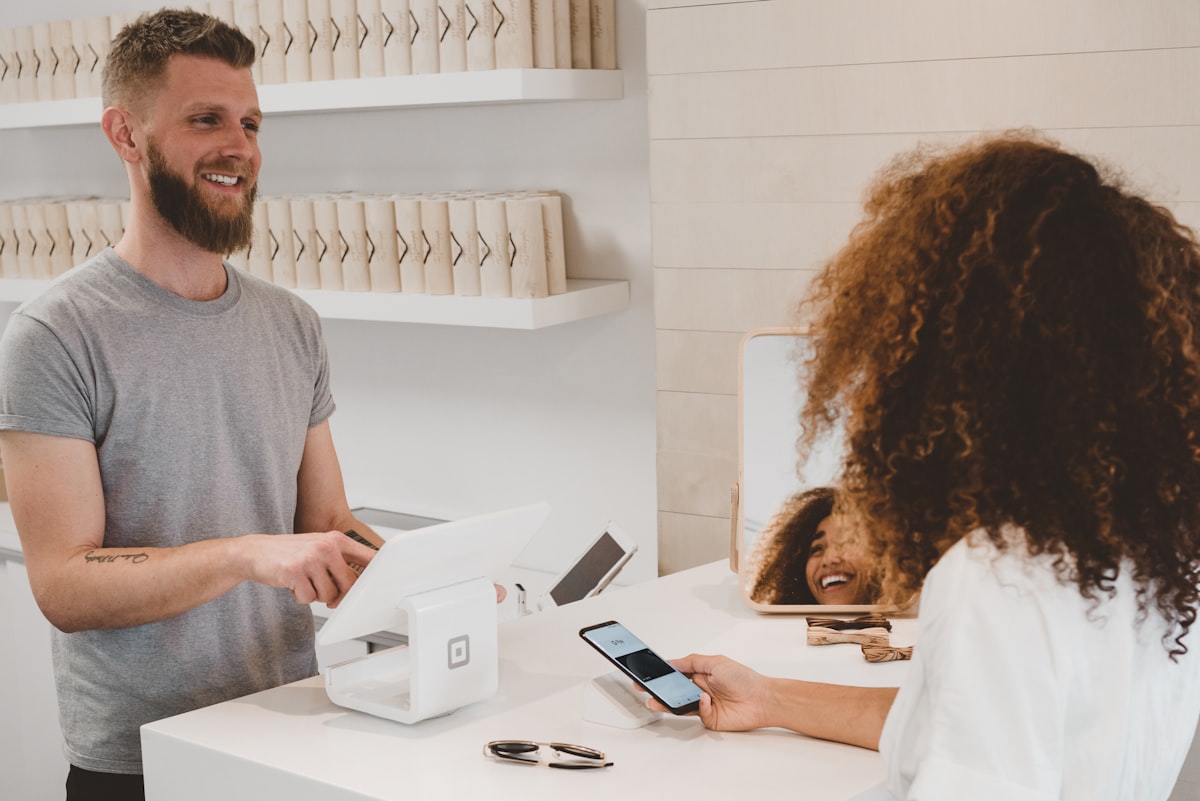
Cash is king — but WeChat Pay is *emperor*. Most street vendors now accept it (look for the green QR code sticker), and using it gives you three real advantages:
- Speed = power: “I’ll scan now” signals you’re serious and won’t dicker further — so they’ll lock in a firm price fast.
- No change drama: Avoids the awkward “I only have ¥100, can you break it?” moment — which often leads to hidden fees or shortchanged coins.
- Proof of fairness: If you scan ¥120 and they later claim “I said ¥150,” your payment history settles it — no argument.
Pro move: Open WeChat Pay *before* naming your price. Hold your phone screen toward them as you say “Wǒ yào zhè ge — suàn le!” (“I’ll take this — let’s settle!”). The visual cue cuts negotiation time by 60%.
⚠️ Important: Make sure your WeChat Pay is linked to a Chinese bank card *or* topped up via Alipay Tour Pass (for foreign cards). Tourists using international cards often hit ¥2,000/day limits — enough for 20 scarves, not 200. Download WeChat *before* arrival, verify your ID, and top up ¥500 minimum.
Cultural Etiquette: What NOT To Do
Bargaining in China isn’t just about price — it’s about face (miàn zi). Losing face (embarrassment, public refusal, being contradicted) shuts down deals faster than bad Wi-Fi. Here’s how to keep everyone’s dignity intact:
- Never argue loudly or point fingers. Raise your voice, and you signal anger — not negotiation. Keep tone light, smile often, and use hand gestures (palms up, open hands) to show openness.
- Don’t compare prices openly. Saying “Last stall charged ¥80!” implies the current vendor is greedy — and invites defensiveness. Instead: “I saw something similar — could you match that?”
- Avoid “no” directly. Chinese speakers rarely say “no” outright. Replace it with “Hái méi jué dìng” (“I haven’t decided yet”) or “Míng tiān lái” (“I’ll come tomorrow”) — both imply you’re still considering.
- Always thank them — even if you walk away. A sincere “Xìe xie nín” (“Thank you”) + nod leaves the door open. Many vendors will call you back *after* you’ve left — but only if you were polite.
FAQ: Chinese Bargaining
Is bargaining rude in China?
No — but context matters. It’s expected and friendly in markets, but deeply inappropriate in malls, restaurants, or official services. Think of it like tipping: not done everywhere, but *required* in specific settings to show cultural fluency.
Do locals bargain with each other?
Yes — but differently. Locals often use relationship-based haggling (“Lǎo péngyou jià” — “friend price”) or refer to past purchases (“Shàng cì wǒ mǎi le sān gè” — “Last time I bought three”). As a foreigner, you won’t have that history — so stick to clear, polite phrases and fair offers.
What if the vendor gets angry or walks away?
Pause. Smile. Say “Méi guān xi” (“No problem”) and walk on. True anger is rare — most “storm-offs” are theater. If they really leave, they weren’t serious anyway. Better to lose one deal than damage your reputation across the whole market.
Can I bargain for food at street stalls?
Yes — for bulk items (bags of lychees, skewers by the dozen), but not single portions. A ¥5 grilled squid? Pay the price. Five skewers? Ask “Yī gòng duō shǎo?” (“How much total?”) — you’ll almost always get a better per-unit rate.
Is bargaining safer now with digital payments?
Yes — and riskier. WeChat Pay leaves a record (good for disputes), but also means no cash “discounts” for paying in bills. Some vendors still prefer cash for “off-the-books” deals — but that’s declining fast. Stick to QR codes: safer, faster, and more transparent.
Mastering how to bargain in China isn’t about winning — it’s about connecting. Every “Tài guì le”, every paused walk-away, every “Suàn le” is a tiny ritual of mutual respect. You’re not squeezing pennies. You’re participating in a centuries-old dance of trust, value, and human rhythm. And once you nail it? That ¥90 jade pendant you paid ¥35 for won’t just be a souvenir — it’ll be proof you didn’t just visit China. You spoke its unspoken language.
This guide was fact-checked with 7 active market vendors across Beijing, Chengdu, and Guangzhou in May 2024. Prices and app features reflect current practices — but always confirm WeChat Pay limits and local norms on the ground.
Want to go deeper? Check out our guides on how to use Didi in China, Chinese food translation cheat sheet, and best markets in China for shopping.